Seeing your check engine light flashing can cause immediate concern for any driver. This little light can mean a wide range of things, from something as minor to something as major as an engine misfire. When it’s flashing, though, it’s a more urgent matter that requires attention. So, what does a flashing check engine light mean, and how can you take action to fix it before it turns into a bigger problem?
What Does a Flashing Check Engine Light Indicate
The check engine light serves as part of your car’s onboard diagnostics system (OBD). When it's solidly illuminated, it means the system detects an issue, but it’s not typically an emergency. However, the situation is more serious if your check engine light is flashing. A flashing light usually points to an engine misfire, which could damage your catalytic converter if left unresolved. This critical component helps reduce harmful emissions, and repairing it can be expensive.
Ignoring a flashing check engine light isn’t an option, as it could lead to more significant engine damage, resulting in costly repairs or even the need for a new engine.
Common Causes of a Flashing Check Engine Light
While the causes of a flashing check engine light can vary, several issues are commonly associated with this warning. Understanding these reasons can help you identify the problem sooner and address it more effectively.
Engine Misfires
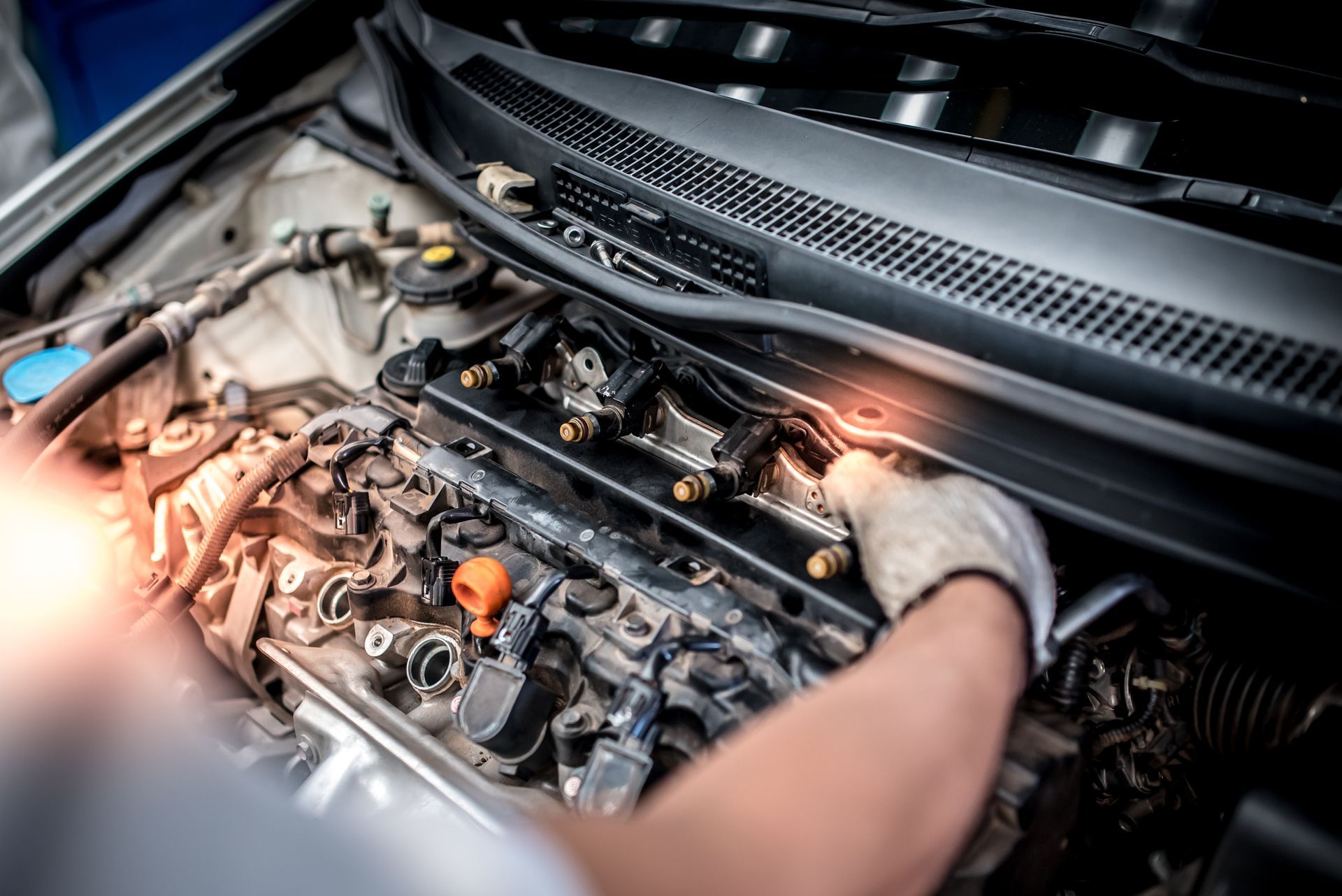
A misfire occurs when one or more of your engine’s cylinders fail to ignite properly, causing incomplete combustion. This can lead to poor performance, increased emissions, and severe damage to your catalytic converter. Misfires can be caused by faulty spark plugs, ignition coils, or fuel injectors.
Faulty Spark Plugs or Ignition Coils
Spark plugs are responsible for igniting the air-fuel mixture in the engine. Over time, they wear out and fail to spark correctly, leading to misfires. Ignition coils, which provide the spark plugs with electricity, can also go bad and contribute to engine misfires.
Clogged or
Failing
Catalytic Converter
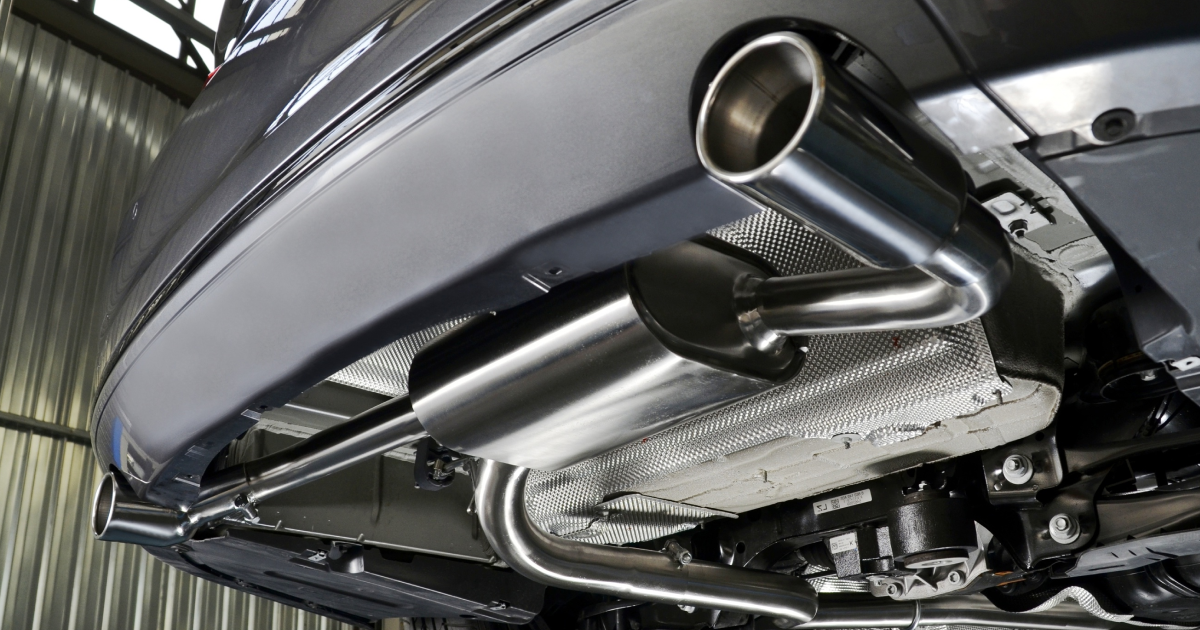
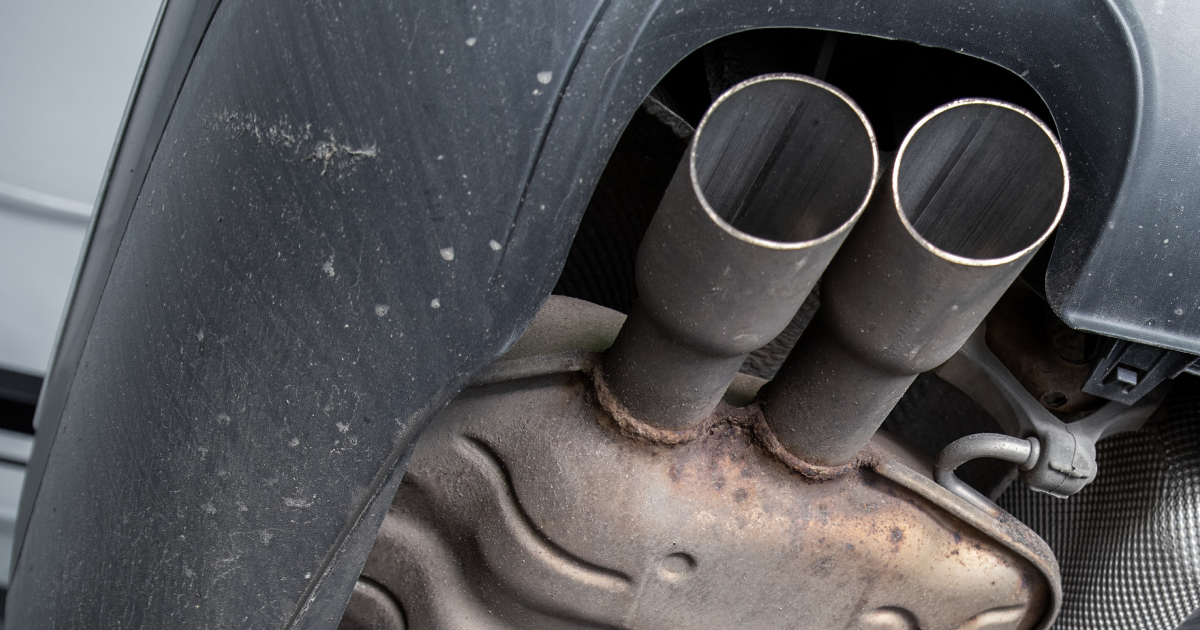
If your catalytic converter is clogged or beginning to fail, it could trigger your check engine light. This essential part reduces harmful emissions from your car’s exhaust system. If misfires are happening, unburned fuel can enter the converter, causing it to overheat and get damaged.
Fuel System Issues Problems
with the fuel injectors or the fuel pump can cause your car’s engine to misfire. If there’s not enough fuel being delivered to the engine, combustion won’t occur as it should, which can trigger the flashing light.
Oxygen Sensor Malfunction
Your oxygen sensor monitors the amount of unburnt oxygen in your exhaust. When this sensor malfunctions, it can lead to poor engine performance and misfires. A faulty oxygen sensor can also cause damage to other components like the catalytic converter.
What Should You Do If Your Check Engine Light Is Flashing
So, what’s the next step when your check engine light starts flashing? The short answer is to act fast. While some engine issues can be resolved with simple fixes, a flashing check engine light is a more immediate concern that typically signals a significant engine issue. Follow these steps to ensure the safety of your vehicle and minimize further damage:
Reduce Speed and Load
If you’re driving when the light starts flashing, reduce your speed and the stress on your engine.
Avoid hard acceleration and high RPMs, as this can worsen the problem.
If possible, pull over to a safe location to assess the situation.
Check for Other Symptoms
Is your car running roughly, shaking, or making unusual noises? A misfiring engine will often cause a noticeable difference in performance. Make a note of any unusual sounds, smells, or sensations that can help a mechanic diagnose the issue.
Get a Diagnostic Test
While it’s tempting to try and diagnose the problem yourself, the best course of action is to take your car to a professional. A certified technician can run a diagnostic test using a scanner that communicates with your vehicle’s onboard computer, identifying the exact cause of the flashing check engine light.
Is It Safe to Drive With a Flashing Check Engine Light
The short answer is no. Driving with a flashing check engine light can lead to serious engine damage. When the engine misfires, unburned fuel can enter the exhaust system, which may damage or overheat the catalytic converter. This could result in expensive repairs that might have been avoided by stopping the vehicle sooner.
If your check engine light is flashing, it’s critical to have the issue inspected and resolved as soon as possible. Continuing to drive in this condition risks further damage to your vehicle, turning what could be a minor repair into a much larger problem.
Is your check engine light flashing? Trust the experts at
Leroy's Auto & Truck Care to identify and fix the problem before it leads to costly engine damage. Call today for peace of mind.