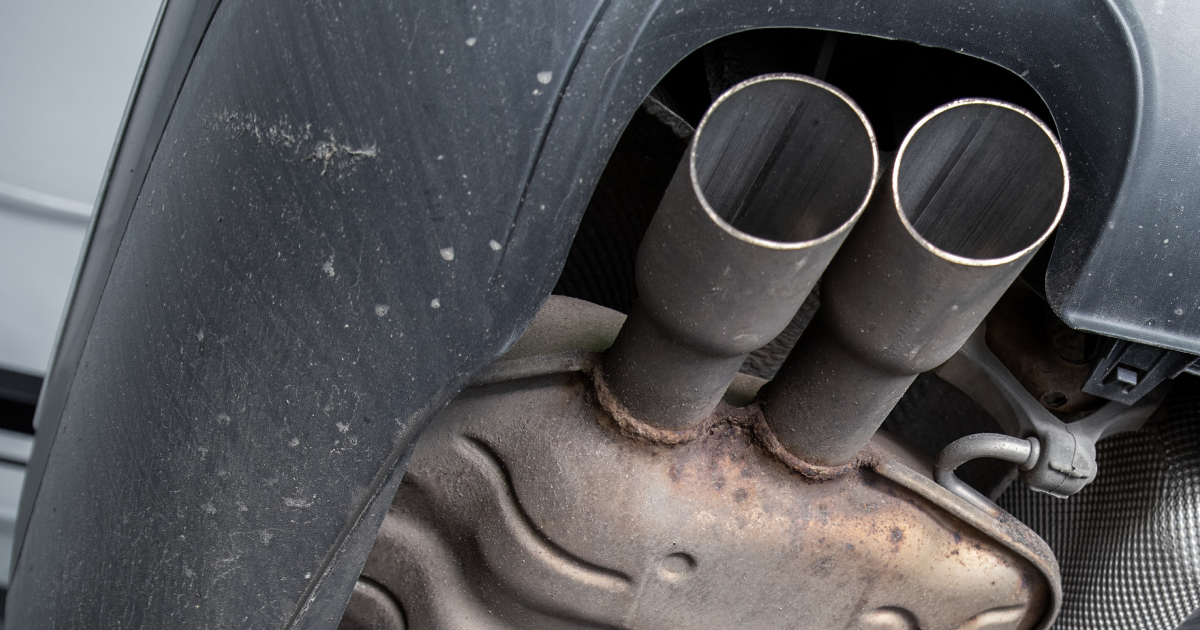
Diesel engines are known for their durability and efficiency, but they can also produce higher levels of soot and emissions compared to gasoline engines. To tackle this, modern diesel vehicles are equipped with a Diesel Particulate Filter (DPF), a crucial component for reducing the harmful particulates emitted into the environment. But what exactly does a DPF do, and how does it work?
What is a Diesel Particulate Filter (DPF)?
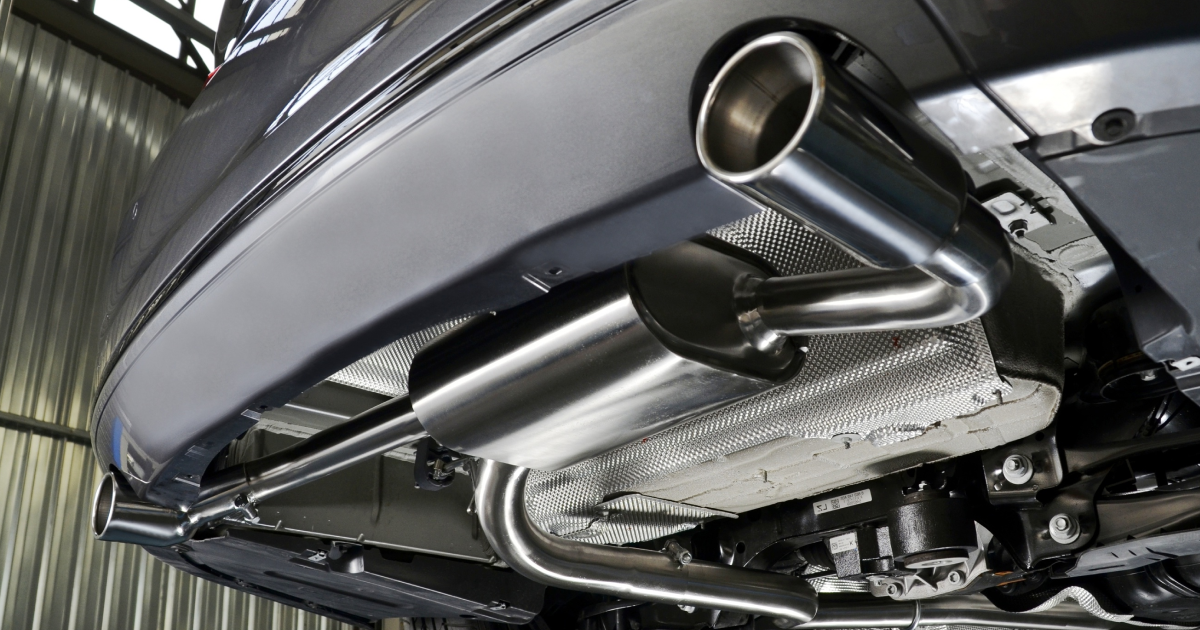
A Diesel Particulate Filter (DPF) is a specialized filter installed in the exhaust system of diesel vehicles. Its primary function is to trap and store soot particles produced by diesel combustion, preventing them from being released into the atmosphere. Over time, the DPF collects these particulates, and to prevent clogging, it must regularly burn off the trapped soot—a process known as "regeneration."
DPFs became more common after stricter emissions standards were introduced, aiming to reduce the environmental impact of diesel vehicles. The filter is a must-have for diesel engines today, helping meet stringent pollution control regulations.
How Does the DPF Trap Particles?
The DPF operates by trapping soot and ash as exhaust gasses pass through the filter. It consists of a ceramic, honeycomb-like structure made up of tiny channels, which create a porous surface for catching soot particles.
When your diesel engine burns fuel, small soot particles are formed as a byproduct. These particles, which are too tiny to see, would normally exit through the exhaust system, but the DPF captures them. This filter is highly efficient, trapping over 80% of the soot produced by the engine.
But a filter can’t just store soot forever. That’s where the regeneration process comes into play.
What is DPF Regeneration?
Since the DPF continually captures soot, it must also clear itself periodically to prevent becoming clogged and losing efficiency. This process, known as regeneration, is when the accumulated soot is burned off at high temperatures, turning it into less harmful gasses like carbon dioxide.
There are three main types of regeneration:
Passive Regeneration
This happens naturally when the vehicle is running at high speeds or under load, like on the highway. The exhaust gasses reach high temperatures, which allows the soot to burn off without the driver noticing.
Active Regeneration
When driving conditions don't reach the required temperatures for passive regeneration, the vehicle will initiate active regeneration. The car's engine management system temporarily adjusts the fuel injection, raising exhaust temperatures and burning off the soot.
Forced Regeneration
If neither passive nor active regeneration can clear the soot buildup, the DPF may become blocked, causing reduced engine performance and a warning light to appear on your dashboard. In such cases, a visit to the service center for forced regeneration is necessary. This is done by a technician using special equipment to regenerate the filter manually.
How Do You Know If Your DPF Is Working Properly?
Most modern diesel vehicles are equipped with sensors that monitor the DPF's performance. If the filter becomes too full of soot, your car will alert you with a warning light. Typically, if the filter is functioning properly, regeneration will occur automatically and go unnoticed by the driver.
However, certain driving habits can affect the DPF’s efficiency. If you drive short distances at low speeds frequently, the exhaust system may not reach the high temperatures needed for passive regeneration. Over time, this can lead to a clogged filter. To avoid this, it’s recommended that diesel owners take their vehicles on longer highway drives regularly to allow passive regeneration to occur.
Common DPF Issues
Even though the DPF is designed to last, it’s not immune to issues. Here are some common problems drivers might encounter with their DPF:
Clogged DPF
If regeneration doesn’t occur frequently enough, soot can build up, causing the filter to clog. This will reduce engine performance and fuel efficiency, and you’ll notice a warning light on the dashboard.
Frequent Regeneration
If you find that regeneration is happening too often, it could be a sign of poor fuel quality or driving habits that prevent the engine from reaching the necessary temperatures.
Failed Sensors
The sensors that monitor the DPF can also fail over time, leading to incorrect readings and unnecessary warnings.
How to Maintain Your DPF
Maintaining your DPF isn’t too difficult if you follow a few basic guidelines. Here are some tips to keep your DPF functioning efficiently:
Drive Longer Distances
Regular long drives at higher speeds will allow for passive regeneration, reducing the need for active regeneration and prolonging the life of your DPF.
Use High-Quality Diesel Fuel
Low-quality fuel can cause more soot buildup, putting extra strain on your DPF. Make sure to use good-quality diesel to reduce particulate formation.
Stay On Top of Regular Maintenance
Ensure your vehicle receives regular maintenance, including oil changes with the correct low-ash oil, to prevent DPF issues from occurring.
Need help with your DPF maintenance? At
Leroy’s Auto & Truck Care, we specialize in diesel vehicle care. Schedule an appointment today and ensure your car is running at its best!